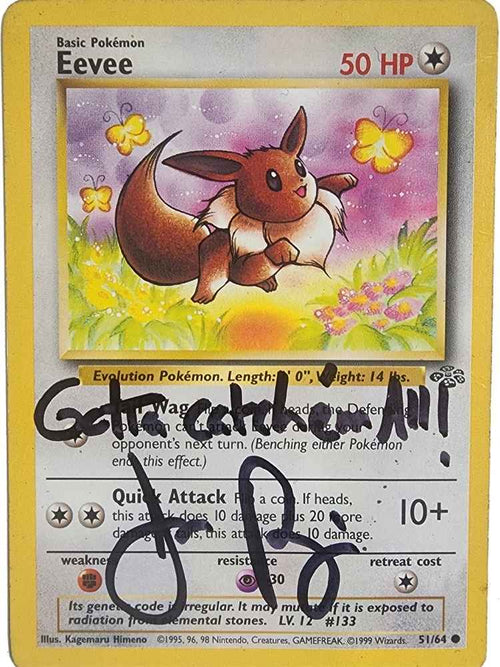
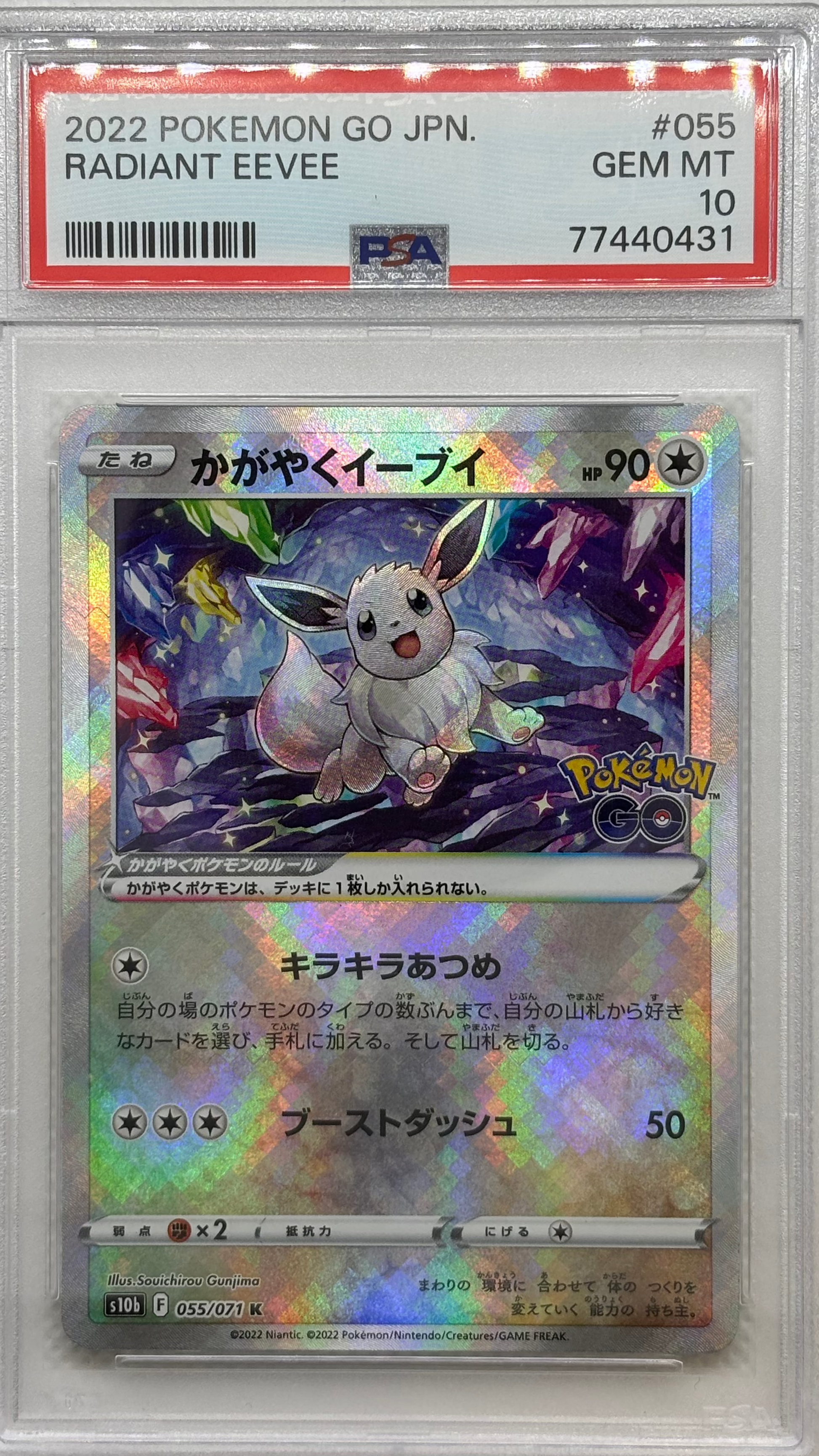
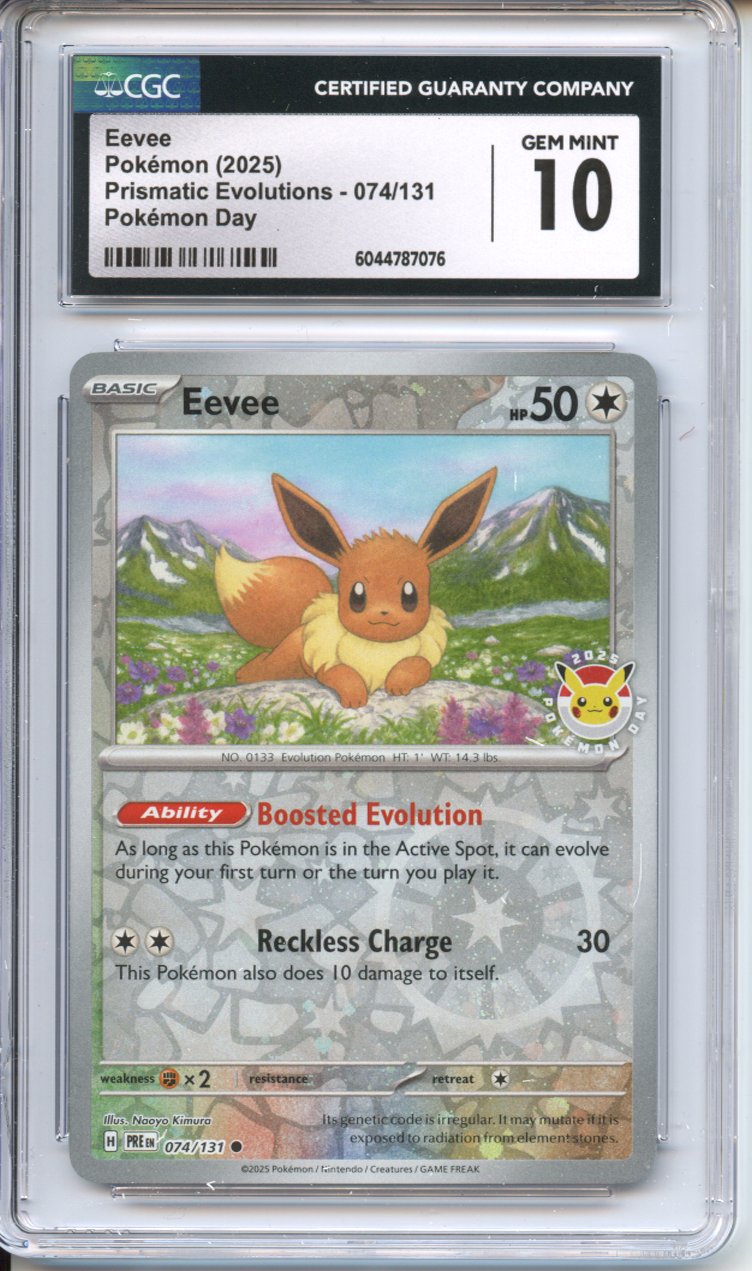
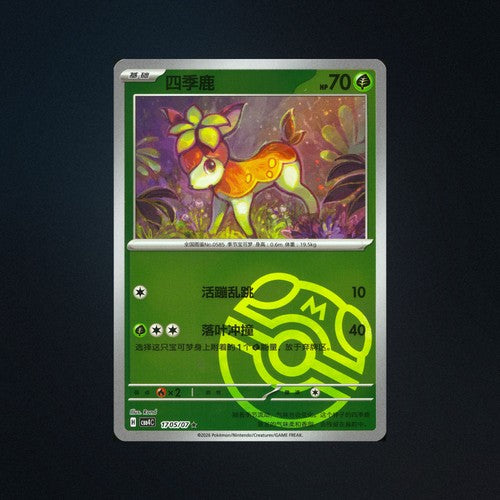
Its also gotten stricter over time, according to SGC grader Derek Grady, who told Sports Collector Digest in 2019 that In the early days of PSA, cards that were graded an 8 for the most part now if you cracked them out and resubmitted, they would grade lower. Nowadays, PSA uses the half-point system that many other services in the card grading industry also favor, which can be broken down like this: PSA 10 / Gem-Mint (GEM-MT): a virtually perfect card, according to PSAs website
Set up practice scenarios: if your Pokemon has 80 HP and is poisoned, how many turns until it's knocked out
The actions you can take are: Playing a Pokmon to your bench (as many as you like, up to 5 total benched Pokmon) Evolving your Pokmon (you can evolve each Pokmon once per turn, and not on the turn they were played onto the board) Retreating your Pokmon and promoting a benched Pokmon to the active spot Attaching an energy card to your Pokmon (once per turn) Playing a trainer card (you can play as many items, stadiums, and Pokmon tools as you like, but only one supporter per turn) Using the stadium in play (once per turn) Using Pokmon abilities (once per Pokmon per turn) Attacking your opponent's Pokmon Keep in mind that occasionally, a card will affect these actions and make them either impossible or more frequent
The most recent Secret Lair drop featured foil constellation versions of the original Theros Gods, and there was a bit of a debate about whether the cards should be compared to their original foil value (which is quite high) or non-foil value
Shows like this bring together three generations of collectors: adults who grew up in the 90s, competitive tabletop gamers, and kids opening their first booster packs
Red Red has access to a lot of damage-based removals, which is normally very good in 60-card constructed because Lightning Bolts and Shocks are very efficient